Sacred Oils & Copal
Limpieza — spiritual cleansing — is one of the most practiced ceremonies in curanderismo. Before the word limpia entered wellness culture, curanderas were burning copal resin in Aztec temple complexes to communicate with the divine and restore spiritual balance. Sahagún (1577/1982, Florentine Codex Book 11) documents copal as the premier sacred incense of pre-Columbian Mesoamerica — the Nahuatl word copalli gave us the English "copal." The Badianus Manuscript (1542, Barberini MS Lat. 318), compiled by the Aztec physician Martín de la Cruz and translated into Latin by Juan de badianus, documents the Nahua pharmacopeia at the moment of conquest — including the primary ritual resins and their specific healing applications. That document is the earliest primary-source record we have for the herbal and resin traditions that underpin this entire collection.
The six remedies here work together as a complete limpia toolkit: Copal (pre-Columbian premier incense, documented in both the Florentine Codex and the Badianus Manuscript) opens ceremonies and calls divine attention. Palo Santo (documented in Kay 1996, Speaking for Themselves) lifts and clears stuck energy. Sage (documented in the Badianus Manuscript as salvia among the seven principal Nahua healing plants) cuts through dense, heavy energy that needs sharp clarification. Ruda (Trotter & Chavira 1981: primary mal de ojo treatment, worn and burned) provides protection and repels harmful influences. Frankincense (Badianus MS Lat. 318, fol. 25v: documented among New Spain medicinal plants) seals and protects after the cleansing work is done. Dragon's Blood Resin (Badianus: Croton species recorded in the Aztec pharmacopeia; Sahagún 1577 supplement: red resins among the most powerful Nahua spiritual protectors) creates the final energetic barrier against mal aire and mal de ojo.
Romero, Lavanda, and Sahumerio Blends extend the toolkit for susto (soul fright), children, and multi-remedy ceremonies respectively. Sahumerio is the general term — any botanical burned for ritual. These are not spiritual air fresheners. They are the tools curanderas have worked with for centuries, and still do today.
Different tools serve different stages of the limpia ceremony. Below is the standard practice as documented in Trotter & Chavira (1981), Kay (1996), and the Badianus Manuscript (1542).
Begin with copal to call divine attention and open the ceremony, per the Florentine Codex and Badianus. Follow with palo santo to lift stuck energy, then sage to cut through the heaviest dense energy. The smoke moves from grounding to lifting to cutting.
CopalPalo SantoSageOnce the space is open and the heavy energy has been cut, ruda and romero cleanse and move. Ruda addresses mal de ojo — the harmful influence of envy, jealousy, or the gaze of someone with strong energy. Romero calls the soul back after susto (shock or fright), working with heat and intention as documented in Foster & Cordell (1989).
RudaRomeroAfter cleansing, frankincense seals the space — its smoke settles rather than rises, creating a settled protective atmosphere. Dragon Blood (Sangre de Drago) creates the final energetic barrier for mal aire and mal de ojo. Applied to thresholds, windowsills, and the soles of feet in limpia seca. A little goes a very long way.
FrankincenseDragon's Blood ResinRomero and lavanda are the primary spiritual bath herbs. Brew as tea, cool to comfortable warmth, and add to bath water or use as a wash. Baños address susto, nervous exhaustion, and spiritual anxiety — the gentle approach when smoke ceremonies are too strong. Documented in Trotter & Chavira (1981) as standard curandera practice.
RomeroLavanda OilSahumerio BlendsCroton lechleri sap — Sangre de Drago, used across Latin America for wound healing, spiritual protection, and mal aire. The res...
Desert sage (Salvia officinalis) used in limpia ceremonies across Mexican and Mexican-American communities. Distinct from white...
Copal (Sacred Resin)
The sacred resin of pre-Columbian Mesoamerica. Burned in limpia ceremonies for spiritual purification, mal de ojo, and mal aire...
Boswellia resin — the sacred incense of the ancient Mediterranean world, adopted into curanderismo for grounding and protection...
Ruda (Rue)
One of the most important herbs in curanderismo. Used for both medicinal and spiritual purposes across Mexican communities.
Ceremonial smoke blends combining copal, ruda, romero, and lavender for specific conditions. The limpia completa blend (all fou...
Palo Santo (Sacred Wood)
Sacred wood from Peru and Ecuador, adopted by curanderos who found its warm, resinous smoke uniquely effective for clearing stu...
Romero (Rosemary)
Warming, stimulating herb central to both sobada massage and spiritual baths in Mexican folk medicine. Used to treat susto — so...
Copal
The most sacred incense of Mesoamerica. The Aztecs called it "copalli" — the blood of trees. Used in every ceremony and healing...
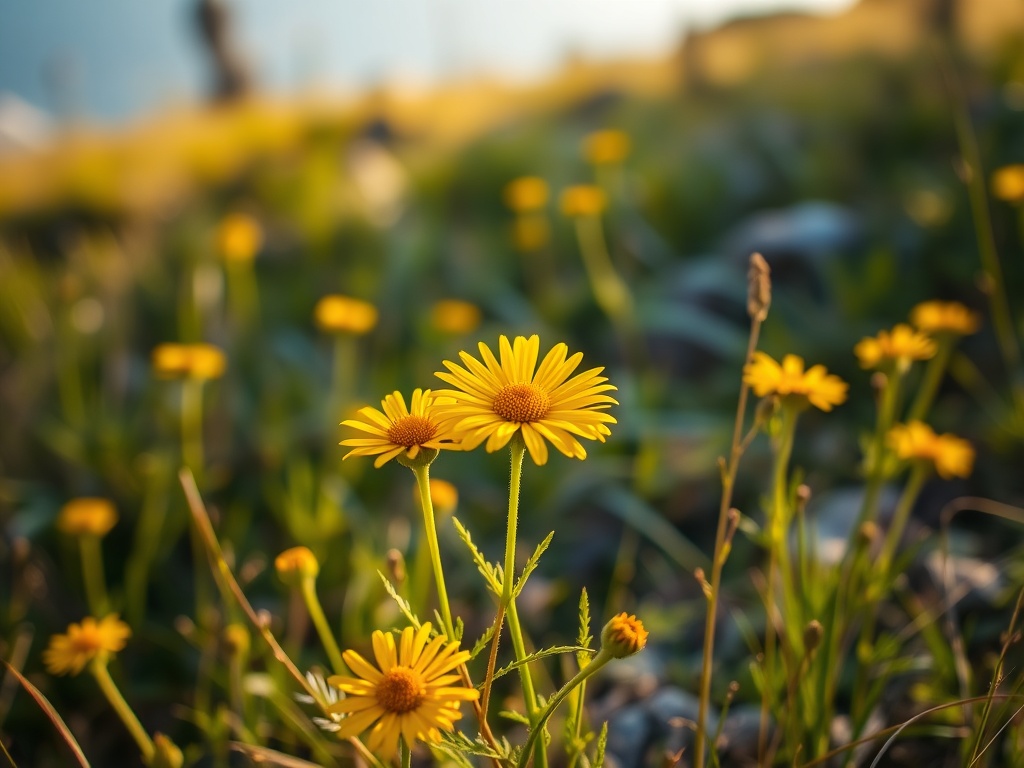
Aceite de Lavanda
The universal calming oil, adopted into Mexican healing practice for its powerful effect on the nervous system and spirit.
Aceite de Romero
A versatile oil from a Mediterranean herb that became central to Mexican folk medicine. Used in both spiritual and physical hea...
Albahaca (Basil)
Sacred basil used in both culinary and spiritual practices. Different from Italian basil, Mexican albahaca has a unique medicin...
The gentle remedy for susto, insomnia, and spiritual anxiety. Lavender is classified as a "cool" herb in Mexican folk medicine ...
Aceite de Palo Santo
Oil from the "holy wood" tree, one of the most sacred plants in Latin American spiritual practice. Its sweet, woody aroma purif...
Turquesa
Sacred stone of the Aztec god Quetzalcoatl. Used in elaborate mosaics and ceremonial masks. One of the most revered stones in M...
Amatista
A purple quartz crystal valued worldwide for its calming energy. In Mexican tradition, combined with prayer for spiritual clarity.
Turmalina Negra
A powerful grounding and protection stone. Used by modern curanderos as a shield against negative energy and electromagnetic po...
Cuarzo Transparente
The master healer crystal, used across all Mexican healing traditions. Amplifies energy and intention, making it essential for ...
Epazote
A pungent herb native to Mexico, used in both cooking and traditional medicine. Its strong flavor indicates powerful medicinal ...
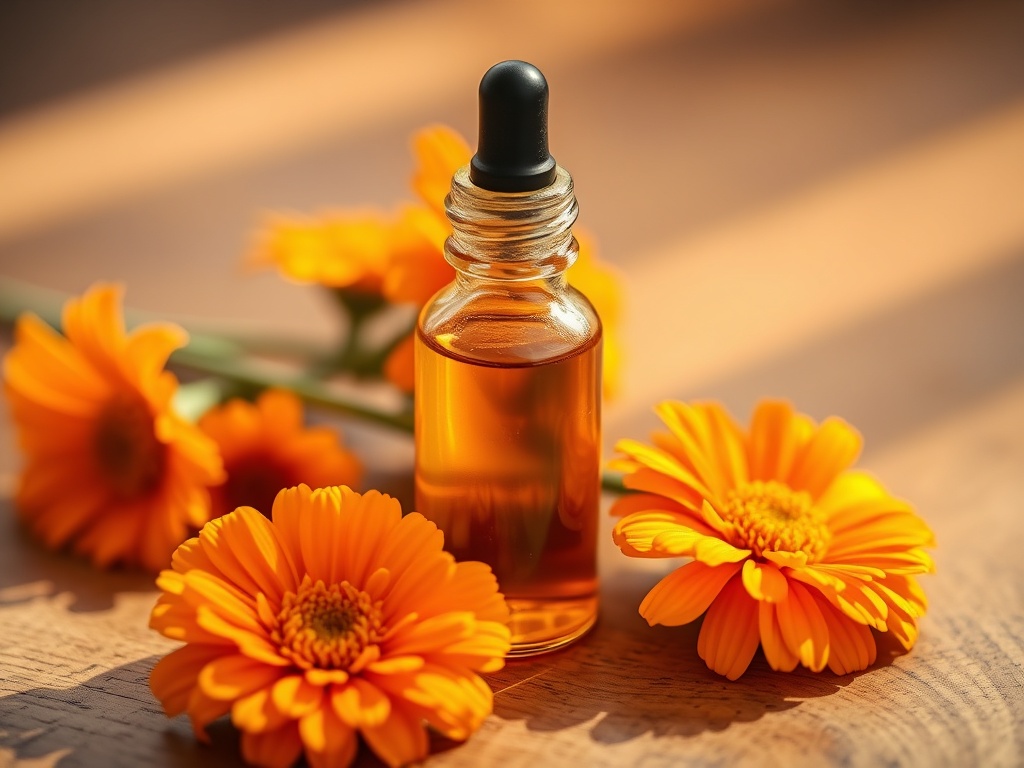
Aceite de Olibano
A sacred anointing oil used across traditions for thousands of years. In Mexican Catholic-indigenous fusion practice, used for ...
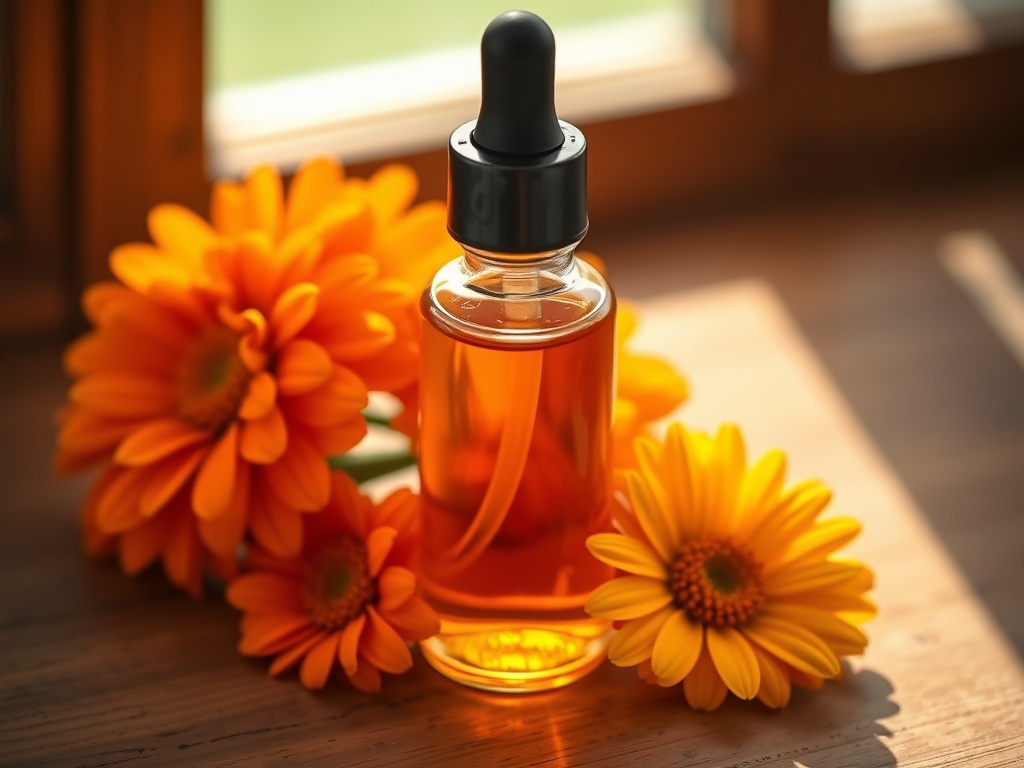
Aceite de Mirra
Ancient sacred oil used in both Christian and indigenous Mexican healing. Known for its ability to heal wounds of body and spirit.
Obsidiana
Volcanic glass sacred to the Aztecs, who used it for mirrors, tools, and spiritual healing. The most important crystal in Mexic...
Take our 2-minute Remedy Finder Quiz and get a personalized recommendation based on your symptoms and goals.
Take the Remedy Finder Quiz → Browse All CollectionsExplore more collections