Amethyst
Amatista
A purple quartz crystal valued worldwide for its calming energy. In Mexican tradition, combined with prayer for spiritual clarity.
Clear Quartz
Cuarzo Transparente
The master healer crystal, used across all Mexican healing traditions. Amplifies energy and intention, making it essential for ...
Obsidian
Obsidiana
Volcanic glass sacred to the Aztecs, who used it for mirrors, tools, and spiritual healing. The most important crystal in Mexic...
Black Tourmaline
Turmalina Negra
A powerful grounding and protection stone. Used by modern curanderos as a shield against negative energy and electromagnetic po...
Copal Resin
Copal
The most sacred incense of Mesoamerica. The Aztecs called it "copalli" — the blood of trees. Used in every ceremony and healing...
Frankincense
Boswellia resin — the sacred incense of the ancient Mediterranean world, adopted into curanderismo for grounding and protection...
Jade
Jade
More valued than gold by the ancient Maya and Aztec. Jade represents life, water, and the precious breath of the spirit.
Palo Santo Oil
Aceite de Palo Santo
Oil from the "holy wood" tree, one of the most sacred plants in Latin American spiritual practice. Its sweet, woody aroma purif...
Rose Quartz
Cuarzo Rosa
The stone of unconditional love. In Mexican tradition, used to heal emotional wounds and attract loving relationships.
Albahaca
Albahaca (Basil)
Sacred basil used in both culinary and spiritual practices. Different from Italian basil, Mexican albahaca has a unique medicin...
Flor de Manita
Flor de Manita
The "hand flower tree" is sacred to the Aztecs. Its distinctive hand-shaped red flowers are used in traditional heart medicine.
Ruda
Ruda (Rue)
One of the most important herbs in curanderismo. Used for both medicinal and spiritual purposes across Mexican communities.
Sage
Desert sage (Salvia officinalis) used in limpia ceremonies across Mexican and Mexican-American communities. Distinct from white...
Turquoise
Turquesa
Sacred stone of the Aztec god Quetzalcoatl. Used in elaborate mosaics and ceremonial masks. One of the most revered stones in M...
Amber
Ambar de Chiapas
Mexican amber from Chiapas is among the finest in the world. This fossilized resin carries the life force of ancient forests.
Copal
Copal (Sacred Resin)
The sacred resin of pre-Columbian Mesoamerica. Burned in limpia ceremonies for spiritual purification, mal de ojo, and mal aire...
Dragon's Blood Resin
Croton lechleri sap — Sangre de Drago, used across Latin America for wound healing, spiritual protection, and mal aire. The res...
Lavanda Oil
The gentle remedy for susto, insomnia, and spiritual anxiety. Lavender is classified as a "cool" herb in Mexican folk medicine ...
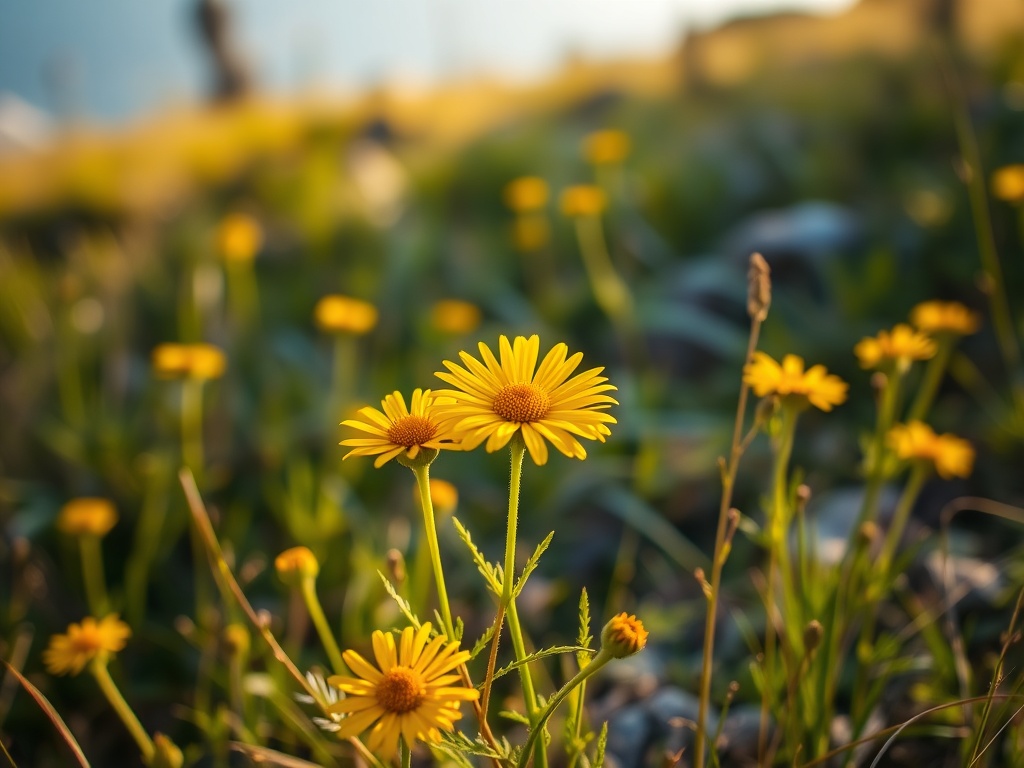
Lavender Oil
Aceite de Lavanda
The universal calming oil, adopted into Mexican healing practice for its powerful effect on the nervous system and spirit.
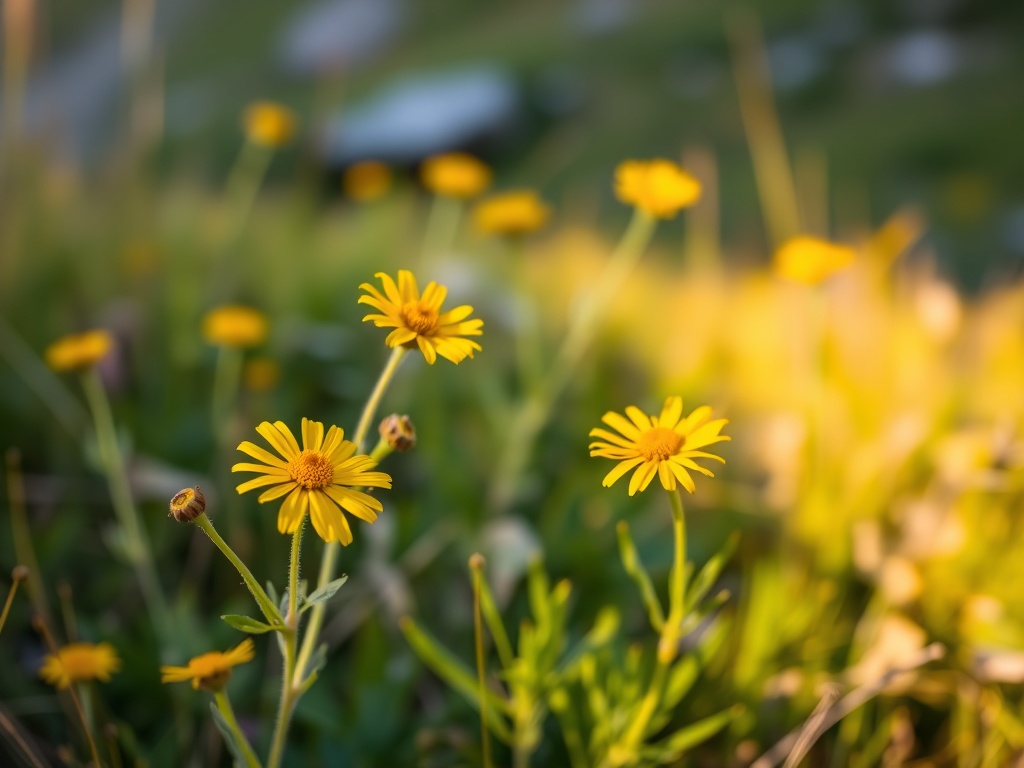
Manzanilla
Manzanilla (Chamomile)
The most commonly used medicinal herb in Mexican households. Every grandmother keeps dried manzanilla for daily healing.
Palo Santo
Palo Santo (Sacred Wood)
Sacred wood from Peru and Ecuador, adopted by curanderos who found its warm, resinous smoke uniquely effective for clearing stu...
Romero
Romero (Rosemary)
Warming, stimulating herb central to both sobada massage and spiritual baths in Mexican folk medicine. Used to treat susto — so...
Yerba Buena
Yerba Buena
A fragrant mint-family herb used throughout Mexico for centuries. Known as the "good herb" for its versatile healing applications.
Damiana
Damiana
A small shrub native to Mexico and Central America with aromatic leaves used by the Maya and Aztec civilizations.
Epazote
Epazote
A pungent herb native to Mexico, used in both cooking and traditional medicine. Its strong flavor indicates powerful medicinal ...
Eucalyptus Oil
Aceite de Eucalipto
Widely used in Mexican households for respiratory healing. The strong, clean scent opens airways and clears energy.
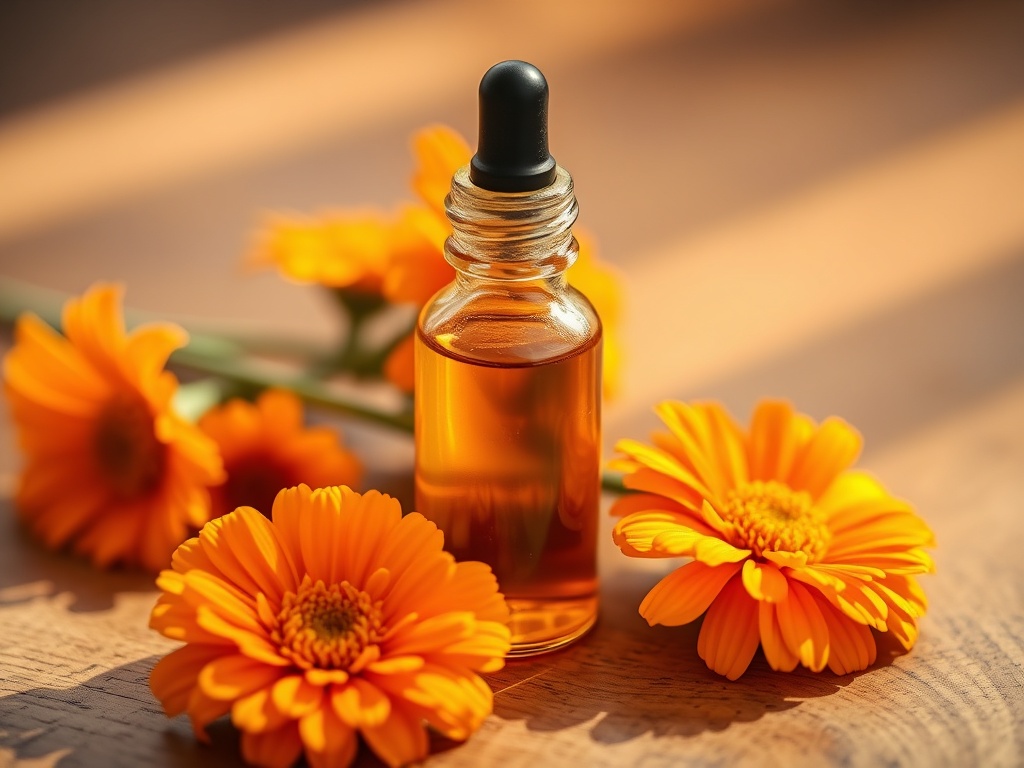
Frankincense Oil
Aceite de Olibano
A sacred anointing oil used across traditions for thousands of years. In Mexican Catholic-indigenous fusion practice, used for ...
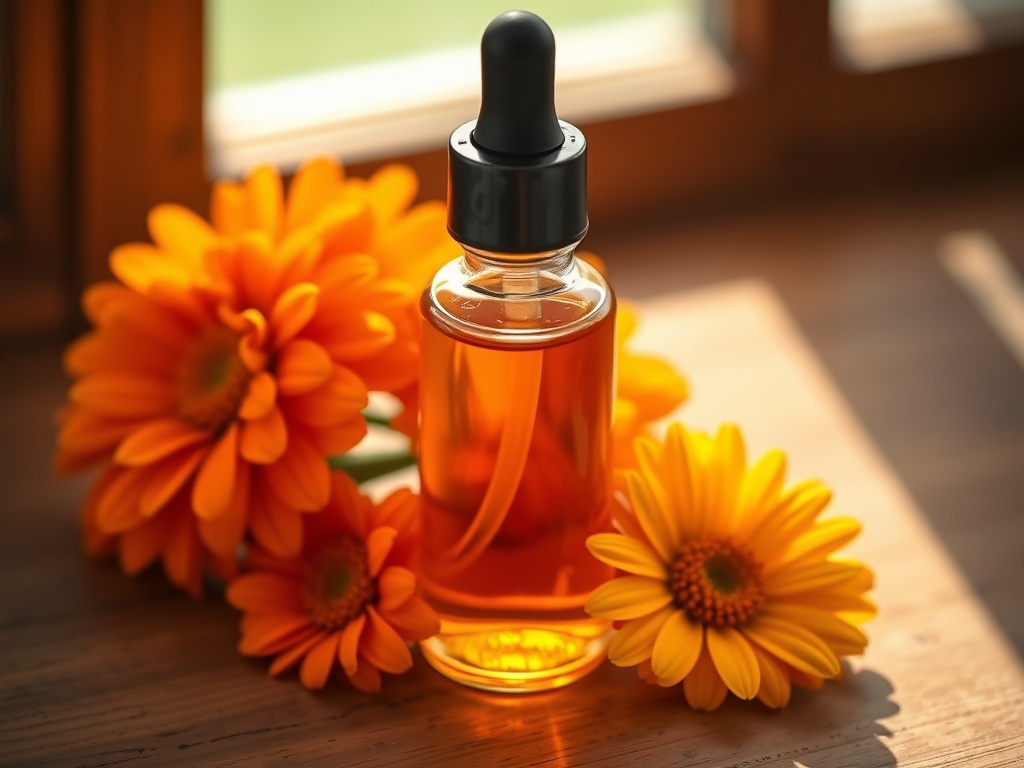
Myrrh Oil
Aceite de Mirra
Ancient sacred oil used in both Christian and indigenous Mexican healing. Known for its ability to heal wounds of body and spirit.
Rosemary Oil
Aceite de Romero
A versatile oil from a Mediterranean herb that became central to Mexican folk medicine. Used in both spiritual and physical hea...
Sahumerio Blends
Ceremonial smoke blends combining copal, ruda, romero, and lavender for specific conditions. The limpia completa blend (all fou...